
Hair Fall During Summer and Monsoon: Causes, Prevention & Treatment
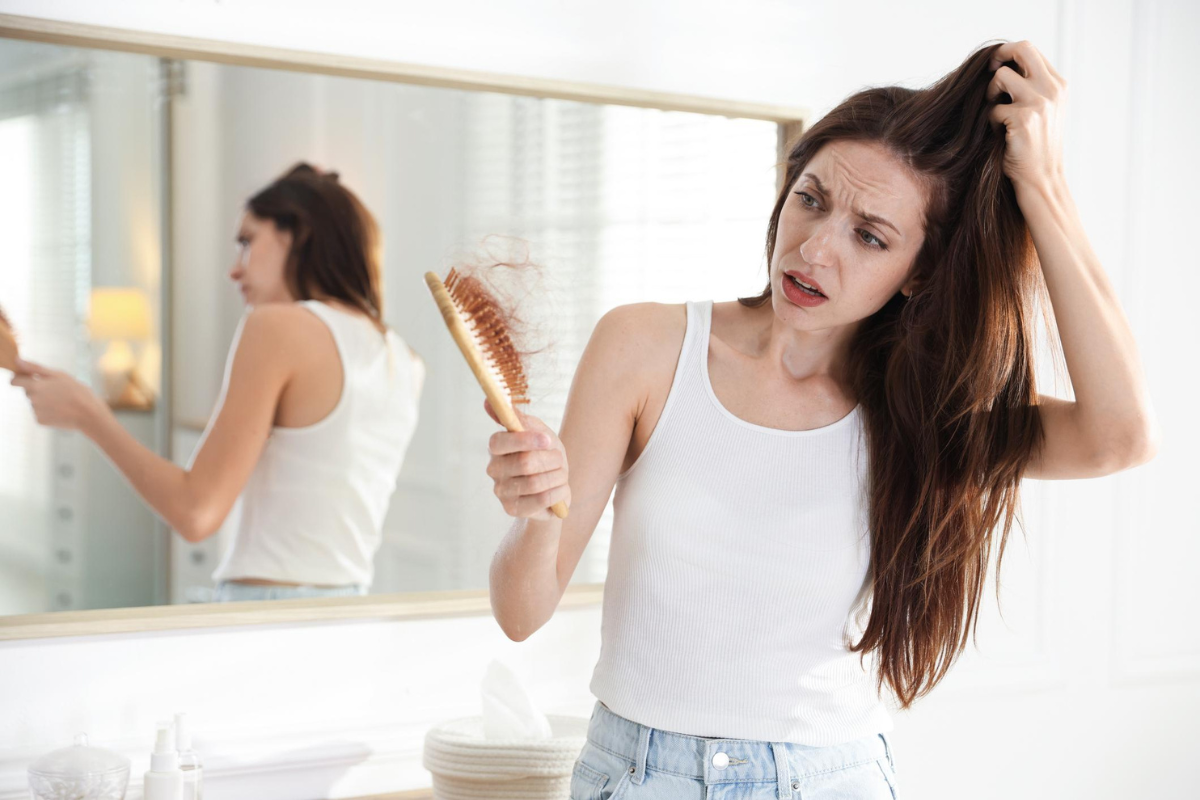
Hair fall during summer and monsoon is commonly caused by heat, humidity, sweating, scalp infections, dehydration, UV exposure, stress, and nutritional deficiencies. Seasonal changes can temporarily affect the hair growth cycle, leading to increased shedding. Proper scalp care, a healthy lifestyle, and dermatologist-guided treatments can help manage excessive hair fall.
Introduction
Many people notice increased hair shedding when summer begins or during the monsoon season. Finding extra hair strands on your pillow, comb, or shower drain can be concerning, especially when it happens suddenly.
Hair fall during summer and monsoon is a common concern because seasonal weather changes directly affect scalp health and hair quality. Increased sweating, humidity, pollution, fungal growth, and lifestyle changes can weaken hair follicles and trigger temporary shedding.
While some seasonal hair fall is normal, excessive or prolonged hair loss may indicate underlying concerns such as nutritional deficiencies, hormonal imbalance, scalp infections, thyroid issues, or conditions like telogen effluvium and androgenetic alopecia.
At Iksana Wellness, hair and scalp concerns are evaluated using a personalized dermatological approach. Under the guidance of Dr. Aparajita Lamba, MD Dermatology, Founder & Director of Iksana Wellness, treatment plans focus on identifying the actual cause of hair loss and recommending suitable evidence-based solutions.
Why Hair Fall Increases During Summer and Monsoon
Seasonal weather changes can disturb scalp balance and influence the hair growth cycle. Heat, humidity, sweat accumulation, scalp infections, and environmental stress may increase hair shedding. In many cases, seasonal hair fall is temporary, but persistent loss requires professional evaluation.
Hair growth follows a natural cycle:
| Phase | Description |
|---|---|
| Anagen | Active hair growth phase |
| Catagen | Transition phase |
| Telogen | Resting and shedding phase |
During seasonal changes, more hair follicles may enter the resting phase, causing increased shedding.
Common reasons include:
1. Excessive Sweat and Oil Production
Hot weather increases sweating and oil production on the scalp. When sweat combines with oil, dust, and pollution, it may irritate the scalp and affect hair quality.
This can lead to:
- Itching
- Oily scalp
- Dandruff
- Scalp discomfort
- Increased hair breakage
2. Humidity During Monsoon
High humidity keeps the scalp moist for longer periods. This environment may encourage fungal growth and worsen scalp conditions such as dandruff or seborrheic dermatitis.
An unhealthy scalp environment can contribute to increased hair shedding.
3. UV Damage
Continuous sun exposure can damage the hair cuticle, making hair dry, weak, and prone to breakage.
UV exposure may cause:
- Rough hair texture
- Split ends
- Reduced shine
- Increased brittleness
4. Nutritional Deficiencies
Hair follicles require adequate nutrients for normal growth. Poor diet during summer or reduced appetite may affect hair health.
Important nutrients include:
- Protein
- Iron
- Zinc
- Vitamin D
- Vitamin B12
A dermatologist may recommend nutritional evaluation if deficiency is suspected.
5. Stress and Lifestyle Changes
Stress, irregular sleep, illness, sudden weight changes, and lifestyle disruptions can affect the hair growth cycle.
A common condition linked with stress-related shedding is telogen effluvium, where more hairs enter the resting phase and fall out.
Did You Know?
Hair shedding is a natural part of the hair growth cycle, and losing around 50–100 hairs per day can be normal for many individuals. However, noticeable increases in hair fall, visible thinning, or sudden shedding may indicate an underlying hair or scalp concern that requires professional evaluation.
Seasonal changes, stress, illness, nutritional deficiencies, hormonal fluctuations, and scalp conditions can influence the hair growth cycle. One common condition, telogen effluvium, occurs when more hair follicles enter the resting phase, leading to temporary increased shedding.
Source:
American Academy of Dermatology (AAD)
Symptoms of Seasonal Hair Fall
Symptoms of seasonal hair fall include increased shedding while washing or brushing, thinning hair volume, scalp itching, dandruff, dryness, and increased hair breakage. Sudden patchy hair loss or continuous shedding for several months requires a dermatologist consultation.
Common signs include:
- More hair strands falling during shampooing
- Reduced hair density
- Wider hair parting
- Excessive scalp oiliness
- Dandruff and itching
- Dry or brittle hair
- Visible thinning areas
If hair loss appears suddenly or in patches, it may indicate a condition beyond normal seasonal shedding.
How Dermatologists Diagnose Hair Fall
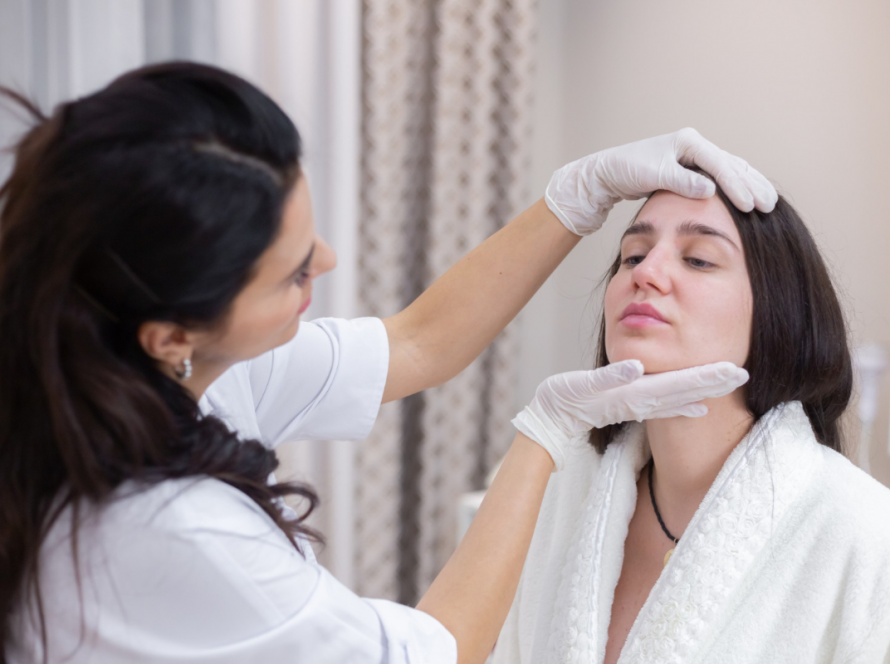
Dermatologists diagnose hair fall by examining the scalp, studying the hair loss pattern, reviewing medical history, and identifying possible triggers. Tests may be recommended to check nutritional deficiencies, thyroid problems, hormonal issues, or other underlying causes.
Diagnosis may include:
Scalp Examination
A dermatologist evaluates:
- Hair density
- Hair thickness
- Scalp condition
- Signs of infection or inflammation
Hair Pull Test
This helps determine active shedding levels.
Blood Tests
Depending on symptoms, tests may include:
- Iron and ferritin levels
- Vitamin D
- Vitamin B12
- Thyroid function tests
- Hormonal evaluation
Treatment Options for Hair Fall During Summer and Monsoon
Treatment depends on the cause and severity of hair fall. Options may include scalp care, nutritional correction, anti-dandruff treatments, PRP therapy, GFC therapy, mesotherapy, and dermatologist-prescribed medications. A customized treatment plan provides better results than treating hair fall without diagnosis.
1. Scalp Care Treatment
For mild seasonal shedding, improving scalp health can help.
Recommendations may include:
- Using suitable scalp cleansers
- Managing dandruff
- Avoiding harsh chemicals
- Reducing heat styling
- Maintaining scalp hygiene
2. PRP Hair Treatment
Platelet-Rich Plasma (PRP) therapy uses concentrated platelets from the patient’s own blood to support hair follicle health.
Potential benefits:
- Minimally invasive procedure
- Supports weak follicles
- May improve hair thickness
- Requires minimal downtime
Results vary depending on the cause and stage of hair loss.
3. GFC Therapy
Growth Factor Concentrate (GFC) therapy uses concentrated growth factors to support scalp rejuvenation and hair follicle function.
It may be considered for selected cases of hair thinning after dermatologist evaluation.
4. Mesotherapy
Hair mesotherapy involves delivering selected nutrients or therapeutic compounds into the scalp through micro-injections.
It may support:
- Scalp nourishment
- Hair follicle environment
- Overall hair quality
5. Medical Treatments
Depending on diagnosis, dermatologists may recommend:
- Topical treatments
- Prescription medications
- Anti-fungal treatments
- Supplements when deficiencies are confirmed
Self-medication should be avoided because the correct treatment depends on the cause.
Prevention Tips for Summer and Monsoon Hair Fall
Preventing seasonal hair fall involves maintaining scalp hygiene, protecting hair from excessive sun exposure, eating a balanced diet, staying hydrated, managing stress, and following a consistent hair care routine.
Follow these tips:
Maintain Scalp Hygiene
- Wash scalp regularly according to your hair type
- Avoid keeping sweaty hair for long periods
- Cleanse after excessive outdoor exposure
Protect Hair From Sun
- Use hats or scarves outdoors
- Avoid prolonged direct sunlight
- Reduce excessive heat styling
Follow a Balanced Diet
Include:
- Protein-rich foods
- Fruits and vegetables
- Nuts and seeds
- Adequate water intake
Manage Stress
Good sleep, exercise, and stress management support overall hair health.
Myths vs Facts About Seasonal Hair Fall
| Myth | Fact |
|---|---|
| Hair fall during monsoon always causes baldness | Seasonal shedding is often temporary |
| Cutting hair reduces hair fall | Hair cutting does not affect follicle health |
| Oiling alone can stop hair loss | Oiling may improve texture but does not treat every cause |
| More shampoo causes hair loss | Appropriate cleansing supports scalp health |
Frequently Asked Questions
Seasonal weather changes can increase hair shedding due to heat, humidity, sweat, scalp irritation, and changes in the hair growth cycle. However, excessive or prolonged hair loss may require dermatologist evaluation.
Maintain scalp hygiene, manage dandruff, avoid keeping wet hair tied, eat a balanced diet, stay hydrated, and consult a dermatologist if shedding becomes excessive.
PRP may help selected individuals with certain types of hair thinning by supporting hair follicle activity. Suitability depends on the cause, severity, and overall scalp condition.
Losing around 50–100 hairs daily can be normal as part of the natural hair growth cycle. Noticeably increased shedding or visible thinning should be evaluated.
Consult a dermatologist if hair fall continues for several months, causes visible thinning, appears suddenly, or is associated with scalp itching, redness, or inflammation.
Final Thoughts
Hair fall during summer and monsoon is a common concern influenced by environmental changes, scalp conditions, lifestyle factors, and internal health. While seasonal shedding may improve with proper care, persistent hair loss should not be ignored.
A dermatologist can help identify the exact cause and recommend suitable treatments based on your individual needs. At Iksana Wellness, personalized hair and scalp solutions are designed to support healthier hair through advanced dermatological care.
Book a consultation with Iksana Wellness to understand your hair fall concerns and receive expert guidance tailored to your condition.
Medical Disclaimer
This article is for educational purposes only and should not replace professional medical advice. Hair loss causes vary from person to person. Consult a qualified dermatologist for accurate diagnosis and personalized treatment recommendations.