
Professional Pigmentation Treatment in Delhi for Radiant Skin

Skin pigmentation is a common concern that affects many individuals due to sun exposure, hormonal changes, aging, and lifestyle factors. Pigmentation Treatment in Delhi has become increasingly popular as more people seek effective solutions for dark spots, uneven skin tone, and stubborn patches. However, choosing the right treatment and clinic plays a crucial role in achieving safe and visible results.
At modern dermatology clinics, advanced technologies and personalized skincare solutions help patients restore clear and healthy-looking skin. Therefore, understanding the causes of pigmentation and available treatments can help you make the best decision for your skin health.
What is Skin Pigmentation?
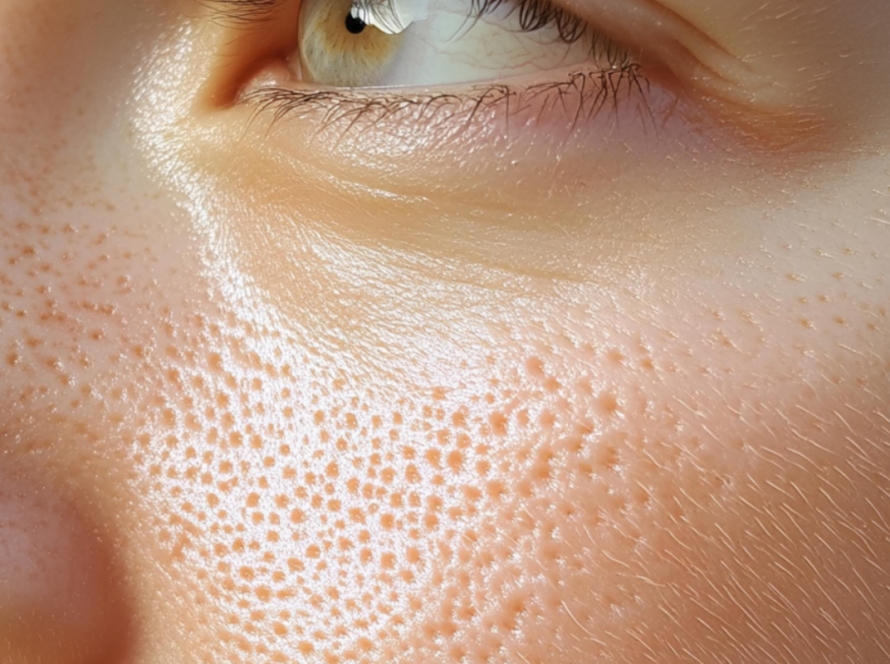
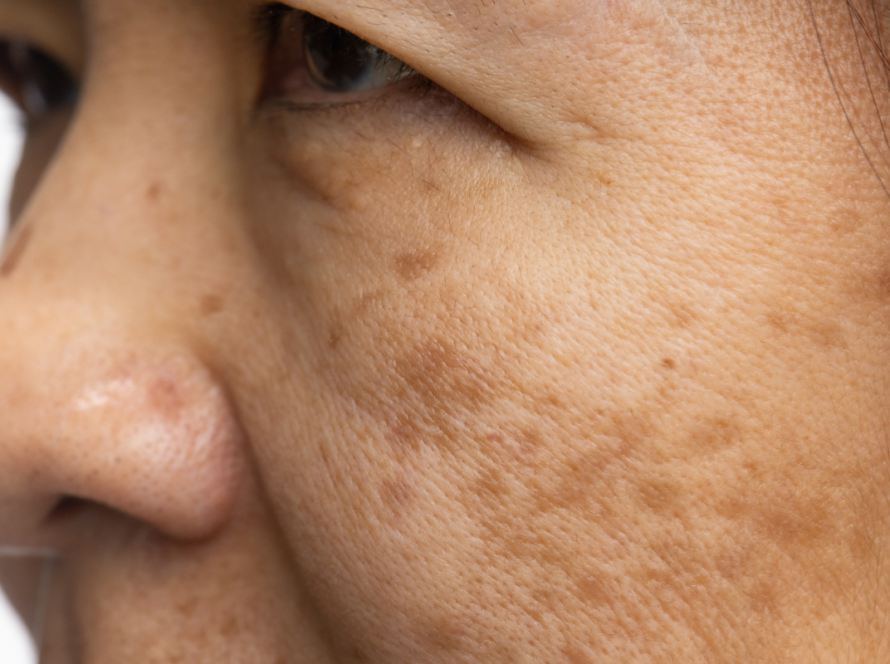
Skin pigmentation refers to the darkening of certain areas of the skin caused by excess melanin production. Melanin is the pigment responsible for the color of your skin, hair, and eyes. However, when melanin production becomes uneven, it can lead to visible patches or dark spots.
For this reason, many people seek Pigmentation Treatment in Delhi to correct discoloration and restore a balanced skin tone.
Common forms of pigmentation include:
- Melasma – Often triggered by hormonal changes and sun exposure
- Sunspots – Caused by prolonged UV exposure
- Post-inflammatory pigmentation – Occurs after acne or skin injury
- Freckles – Genetic pigmentation that becomes darker with sun exposure
Although these conditions are usually harmless, they can affect confidence and overall appearance.
Common Causes of Skin Pigmentation
Pigmentation can occur due to several internal and external factors. Therefore, identifying the root cause is essential for selecting the right treatment plan.
Some major causes include:
- Excessive sun exposure – UV rays stimulate melanin production
- Hormonal changes – Pregnancy or birth control pills can trigger melasma
- Acne scars and skin injuries – Inflammation often leads to dark spots
- Aging – Over time, skin may develop uneven pigmentation
- Genetic predisposition – Some individuals are naturally more prone to pigmentation
Because of these factors, dermatologists often recommend professional Pigmentation Treatment in Delhi to achieve effective and long-lasting results.
Why Professional Pigmentation Treatment is Important
Many people initially try home remedies or over-the-counter creams. However, these methods may provide only temporary improvement.
Professional dermatology treatments offer several advantages:
- Accurate diagnosis of the pigmentation type
- Customized treatment plans for different skin types
- Advanced medical-grade technologies
- Faster and more visible results
- Safe procedures under expert supervision
Therefore, choosing a reliable clinic for Pigmentation Treatment in Delhi can significantly improve treatment outcomes.
Advanced Pigmentation Treatments Available in Delhi
Modern dermatology clinics offer multiple treatments depending on the severity and type of pigmentation. Moreover, dermatologists often combine treatments to maximize results.
Laser Pigmentation Treatment
Laser therapy is one of the most effective procedures for reducing pigmentation.
Benefits include:
- Targets melanin deposits precisely
- Improves skin tone and clarity
- Minimally invasive procedure
- Quick recovery time
Because laser technology works directly on pigment particles, it is widely recommended for advanced Pigmentation Treatment in Delhi.
Chemical Peels
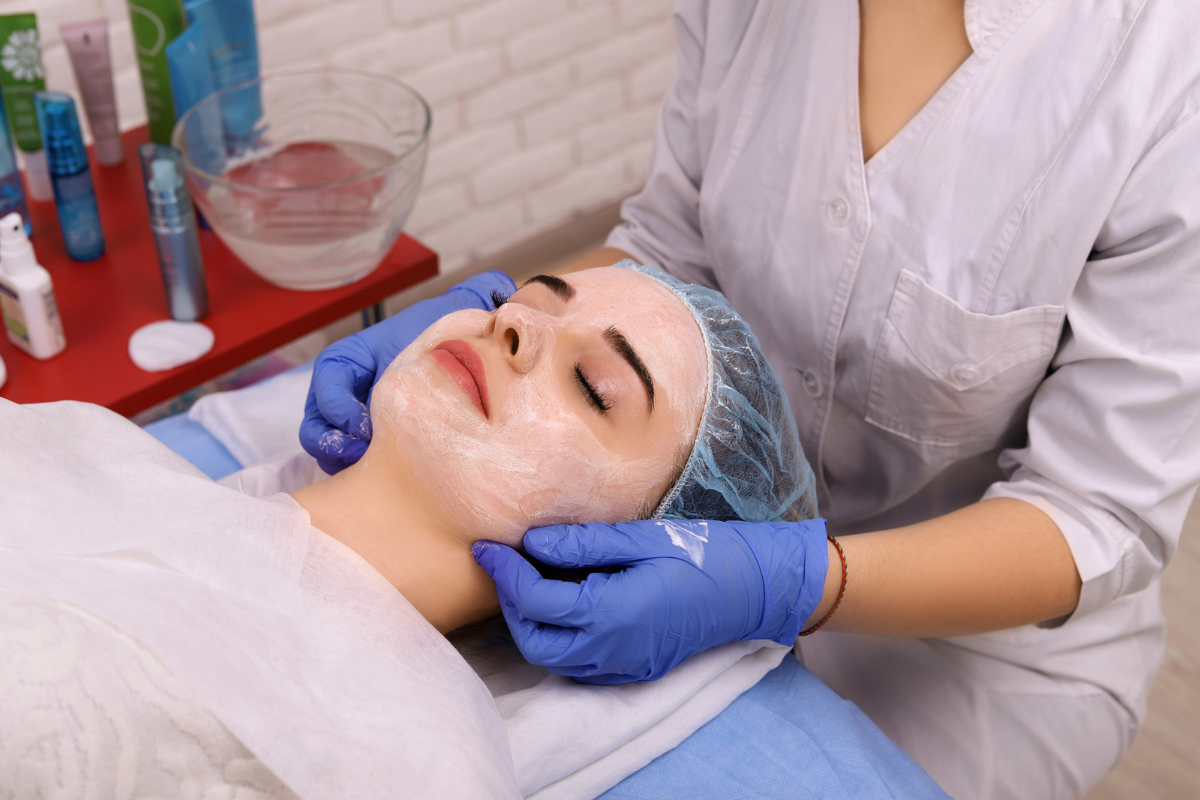
Chemical peels involve the application of specialized acids that exfoliate the outer layer of the skin.
Key benefits include:
- Removes damaged skin cells
- Reduces dark spots and discoloration
- Improves skin texture and brightness
- Stimulates new skin regeneration
In addition, chemical peels are often combined with other procedures for better pigmentation control.
Laser Toning
Laser toning is a gentle laser treatment designed to gradually lighten pigmentation.
Advantages include:
- Safe for most skin types
- Minimal downtime
- Improves skin clarity and glow
- Effective for melasma and sunspots
Therefore, many dermatologists recommend laser toning as part of comprehensive Pigmentation Treatment in Delhi.
Medical Facials and Skin Rejuvenation
Certain medical-grade facials can also improve mild pigmentation concerns.
These treatments help by:
- Enhancing skin hydration
- Removing dull surface layers
- Improving skin brightness
- Boosting collagen production
Although these treatments are milder than lasers, they work effectively for early pigmentation issues.
Benefits of Pigmentation Treatment
Professional pigmentation treatment offers several skin benefits beyond just removing dark spots.
Some key advantages include:
- Even and brighter skin tone
- Reduction in dark patches and sunspots
- Improved skin texture and clarity
- Boosted skin confidence
- Long-lasting results with proper care
Moreover, combining professional treatments with good skincare habits helps maintain results for a longer period.
Who Should Consider Pigmentation Treatment?
Pigmentation treatments are suitable for individuals experiencing:
- Uneven skin tone
- Dark spots or patches
- Melasma or sun damage
- Acne-related pigmentation
- Dull or discolored skin
However, a consultation with a qualified skin specialist is essential before beginning Pigmentation Treatment in Delhi.
Tips to Prevent Skin Pigmentation
Although professional treatments can reduce pigmentation, prevention remains equally important.
Here are some dermatologist-recommended tips:
- Use sunscreen daily – SPF 30 or higher protects against UV damage
- Avoid excessive sun exposure – Especially during peak hours
- Maintain a healthy skincare routine – Gentle cleansing and hydration
- Treat acne early – Prevents post-inflammatory pigmentation
- Follow dermatologist advice – For long-term skin health
In addition, regular skincare maintenance helps protect the skin after treatment.
Why Choose Professional Pigmentation Treatment in Delhi?
Delhi has become a leading destination for advanced skincare treatments due to its experienced dermatologists and modern technology.
Reasons why many patients choose Pigmentation Treatment in Delhi include:
- Availability of advanced dermatology equipment
- Experienced skin specialists
- Personalized treatment plans
- Safe and medically approved procedures
- Comprehensive skincare solutions
As a result, patients can achieve visible improvements with the right combination of treatments.
How Long Does Pigmentation Treatment Take?
The duration of pigmentation treatment varies depending on the severity of the condition.
Generally:
- Mild pigmentation may improve in 2–3 sessions
- Moderate cases may require 4–6 sessions
- Deep pigmentation may need multiple treatments over several months
However, dermatologists often monitor progress and adjust treatments accordingly.
Post-Treatment Skin Care Tips
Proper post-treatment care plays a significant role in maintaining results.
Recommended aftercare tips include:
- Apply sunscreen regularly
- Avoid direct sun exposure
- Use dermatologist-recommended skincare products
- Keep the skin hydrated
- Avoid harsh cosmetic treatments immediately after procedures
Following these guidelines helps maintain the results of Pigmentation Treatment in Delhi.
FAQs - Pigmentation treatment in Delhi
The best Pigmentation Treatment in Delhi depends on the type and severity of pigmentation. Laser treatments, chemical peels, and laser toning are among the most effective solutions recommended by dermatologists.
Most patients require 3–6 treatment sessions for noticeable improvement. However, deeper pigmentation conditions may require additional sessions.
Yes, professional pigmentation treatments performed by qualified dermatologists are generally safe. Advanced technologies ensure precise targeting of pigment without damaging surrounding skin.
While pigmentation can be significantly reduced, maintenance treatments and proper skincare are necessary to prevent recurrence.
The cost varies depending on the treatment type, number of sessions, and clinic expertise. Therefore, a consultation is recommended to determine the exact treatment plan.
Most patients start noticing visible improvement within 2–4 weeks after starting treatment, although complete results may take several sessions.