

Vitiligo Treatment in Delhi: Personalised Care at Iksana Wellness
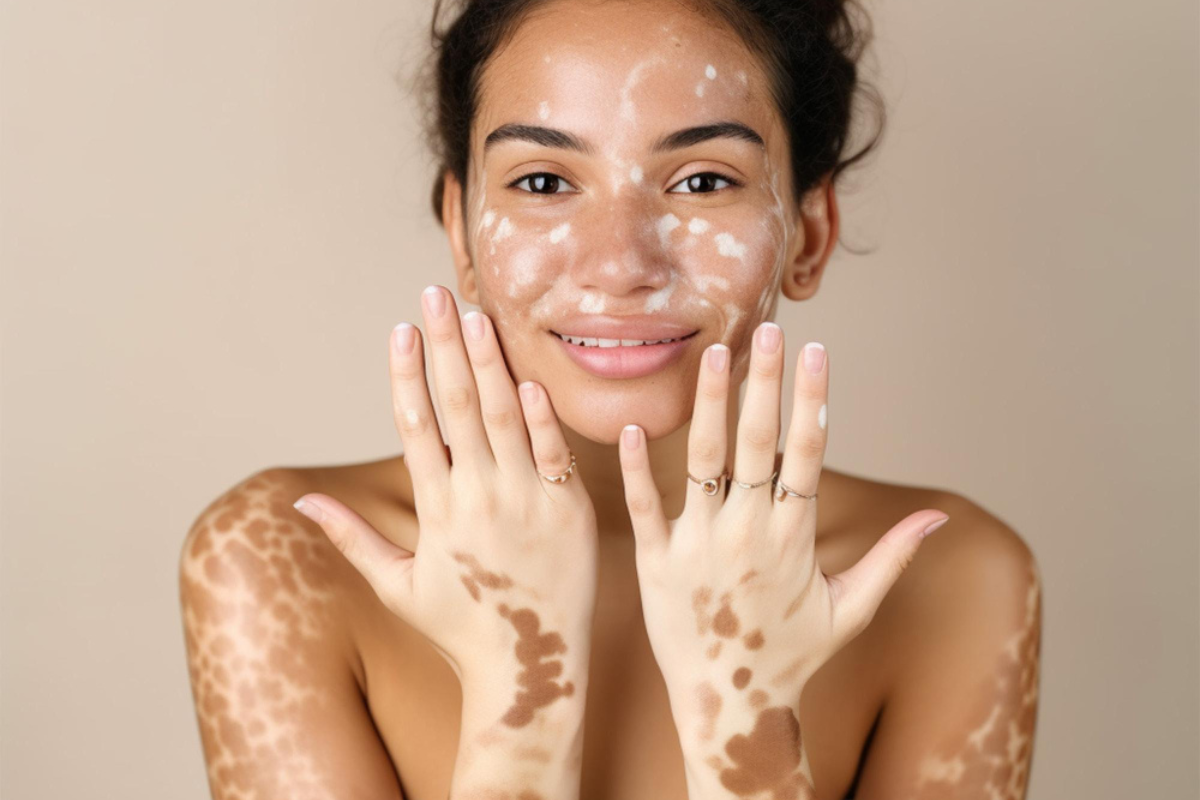
Vitiligo is a skin condition that causes white patches to develop when the cells responsible for producing skin pigment stop functioning or are lost. These patches may appear on the face, hands, arms, legs, and other parts of the body.
If you are looking for Vitiligo Treatment in Delhi, consulting a qualified dermatologist can help you understand the condition, identify its possible causes, and explore suitable treatment options. At Iksana Wellness, patients can enquire about personalised skin care and professional guidance for their skin concerns.
The appropriate treatment depends on the extent of pigmentation loss, the location of the patches, how long they have been present, and whether the condition is stable or progressing.
What Is Vitiligo and Why Does It Cause White Patches?
Vitiligo is a skin condition associated with the loss of melanocytes, the cells responsible for producing melanin. When these cells stop functioning or are destroyed, lighter or white patches may appear on the skin.
The condition is often associated with autoimmune processes and may also involve genetic factors. Vitiligo can affect people of all skin tones and may develop at any age.
Vitiligo is not contagious and does not spread through physical contact.
What Are the Common Signs and Symptoms of Vitiligo?
Recognising the signs of vitiligo can help you seek timely medical advice. Common symptoms include:
- White or lighter patches on the skin.
- Patches that increase in size or number.
- Loss of pigmentation around the eyes, mouth, hands, or fingers.
- Premature whitening or greying of hair in affected areas.
- Changes in skin colour around body openings or skin folds.
Other skin conditions can also cause white patches. A dermatological examination is important to establish the correct diagnosis before beginning treatment.
Which Vitiligo Treatment Options May Be Recommended?
Vitiligo treatment varies from person to person. A dermatologist may recommend one or a combination of approaches depending on the type of vitiligo, its activity, and the affected areas.
1. Topical Medications
Prescription creams and ointments may help restore pigmentation in selected cases. The choice of medication depends on the affected body area, the patient’s age, and other clinical factors.
These medications should be used under medical supervision to minimise potential side effects.
2. Narrowband UVB Phototherapy
Narrowband ultraviolet B (NB-UVB) phototherapy is an established option for certain types of vitiligo. It uses controlled ultraviolet light to encourage repigmentation and may be considered when patches are widespread or topical treatment alone is insufficient.
Multiple sessions may be needed, and results vary between individuals.
3. Excimer Laser or Targeted Light Treatment
Targeted light treatments, including excimer laser or excimer light, may be considered for selected localised patches. They deliver focused ultraviolet light to affected areas.
Suitability depends on the location, size, and activity of the patches and requires specialist assessment.
4. Surgical Treatment for Stable Vitiligo
For carefully selected patients with stable vitiligo, specialist procedures such as skin grafting or cellular grafting may be considered.
These procedures are not suitable for everyone and are generally reserved for specific cases after a detailed clinical evaluation.
5. Skin Protection and Ongoing Care
Depigmented skin can be more vulnerable to sunburn. Sun protection, appropriate skin care, and follow-up consultations can help patients manage the condition.
A dermatologist may also discuss cosmetic camouflage options and provide guidance on managing the emotional impact of visible patches.
Important: The availability of these treatments at Iksana Wellness should be confirmed with the clinic before publication or booking.

How Is Vitiligo Diagnosed by a Dermatologist?
A dermatologist usually examines the affected areas and asks about the history and progression of the patches. Depending on the case, the assessment may include:
- A detailed skin examination.
- A Wood’s lamp examination to assess areas of pigment loss.
- Questions about the onset and progression of symptoms.
- Additional investigations if another skin condition or associated medical concern is suspected.
An accurate diagnosis helps determine the most appropriate treatment plan.
How Long Does Vitiligo Treatment Take to Show Results?
Vitiligo treatment often takes several months to show noticeable changes. The response depends on the treatment method, the affected body areas, the type of vitiligo, and whether the condition is progressing.
Some areas may respond better than others, and complete repigmentation cannot be guaranteed. White patches may also return after treatment.
Regular follow-up helps monitor progress and allows the dermatologist to review the treatment plan when necessary.
Is Vitiligo Treatment Suitable for Indian Skin?
Vitiligo treatment can be appropriate for Indian skin when the diagnosis is accurate and treatment is selected according to individual needs.
Depending on the approach, possible risks may include irritation, burns, or other side effects. Medical supervision is important, particularly when using prescription medications or light-based treatments.
Avoid unverified remedies and products that promise a guaranteed or permanent cure.
Why Consult Iksana Wellness for Skin Concerns in Delhi?
Choosing an appropriate clinic is an important step when seeking professional guidance for white patches or changes in skin pigmentation.
At Iksana Wellness, you can enquire about dermatological consultation and personalised care for your skin concerns. A professional assessment can help you understand the possible cause of your symptoms and determine the next steps.
Before starting any treatment, confirm the clinic’s vitiligo services, available procedures, and treatment suitability with its team.
Book a Consultation at Iksana Wellness
Noticing white patches or changes in skin pigmentation can raise questions about your skin health. Professional evaluation can help you understand the possible cause and explore suitable options.
Contact Iksana Wellness to enquire about vitiligo consultation and personalised skin care in Delhi.
Book a consultation to learn more about your skin concerns and the treatment options that may be appropriate for you.
FAQs – Vitiligo Treatment in Delhi
There is currently no guaranteed permanent cure for vitiligo. Treatment may help restore pigmentation or stabilise the condition, but results vary and recurrence is possible.
No. Vitiligo is not contagious and cannot spread through touching, sharing food, or ordinary social contact.
The appropriate treatment depends on the extent of pigmentation loss, disease activity, affected areas, and medical history. Options may include prescription medicines, phototherapy, targeted light treatment, or selected surgical procedures.
Some patients experience partial or substantial repigmentation, while others may have a limited response. Results depend on individual circumstances and the treatment used.
Yes. Vitiligo may affect the face, hands, arms, legs, trunk, and other areas of the body. Its distribution varies between individuals.
Seek a dermatological evaluation if you notice new white patches, changes in existing patches, or unexplained loss of skin colour. A proper diagnosis can help guide suitable care.
The cost depends on the diagnosis, affected areas, treatment method, number of sessions, and follow-up requirements. Contact Iksana Wellness for information about consultation fees and available treatment options.

