

Top Causes of Adult Acne in Women: Why Breakouts Continue Beyond Your 20s
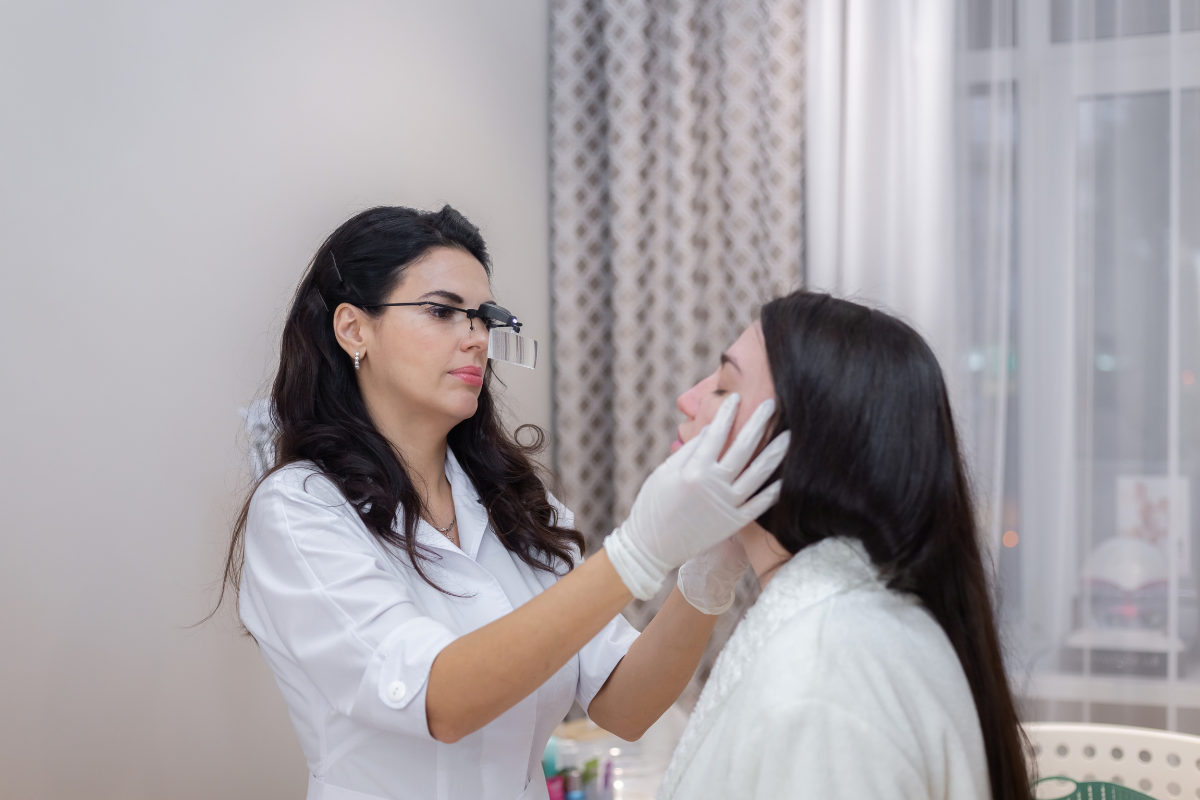
Acne is often considered a teenage problem. However, many women are surprised when pimples, painful cysts, and stubborn breakouts continue well into their 30s, 40s, and even 50s. In fact, adult acne has become increasingly common among women, and understanding the Top Causes of Adult Acne in Women is the first step toward achieving clearer, healthier skin.
Moreover, adult acne is not just a cosmetic concern. It can affect confidence, emotional well-being, and overall quality of life. Therefore, identifying the underlying triggers is essential rather than simply treating the visible symptoms.
At Iksana Wellness, a leading dermatology and wellness clinic in Hauz Khas, South Delhi, we believe that lasting skin health comes from addressing the root cause. Furthermore, our holistic approach combines medical expertise, lifestyle guidance, nutrition support, and personalized treatment plans to help women achieve long-term results.
In this comprehensive guide, we will explore the Top Causes of Adult Acne in Women, explain why breakouts occur, and discuss effective ways to manage and prevent them.
Understanding Adult Acne in Women
Adult acne refers to acne that occurs after the age of 25. Although some women continue to experience acne from adolescence, others develop breakouts for the first time as adults.
Furthermore, adult female acne often appears differently than teenage acne. Instead of occurring primarily on the forehead and nose, adult acne commonly affects:
- Jawline
- Chin
- Neck
- Lower cheeks
- Around the mouth
Moreover, these breakouts are often deeper, more painful, and more resistant to over-the-counter treatments.
Therefore, understanding the Top Causes of Adult Acne in Women becomes essential for choosing the right treatment strategy.
Why Is Adult Acne Becoming More Common?
Modern lifestyles have significantly changed over the past decade. Consequently, women face increased exposure to stress, environmental pollutants, hormonal disruptions, and dietary factors.
Additionally, changing work schedules, poor sleep habits, and increased screen time can contribute to skin inflammation. As a result, dermatologists worldwide are seeing a rise in adult female acne cases.
While genetics certainly play a role, several controllable factors can trigger persistent breakouts.
Top Causes of Adult Acne in Women
1. Hormonal Imbalances
Hormonal fluctuations are among the Top Causes of Adult Acne in Women.
When androgen hormones increase, the sebaceous glands produce more oil. Consequently, excess oil combines with dead skin cells and clogs pores.
Common hormonal triggers include:
- Menstrual cycles
- Pregnancy
- Postpartum changes
- Perimenopause
- Menopause
- Hormonal contraceptive changes
Furthermore, hormonal acne often appears around the chin and jawline. Therefore, recurring breakouts in these areas may indicate an underlying hormonal issue.
In addition, hormonal acne tends to flare before menstruation, making timing an important clue during diagnosis.
2. Polycystic Ovary Syndrome (PCOS)
PCOS is one of the most significant Top Causes of Adult Acne in Women and affects millions of women worldwide.
With PCOS, the body produces excess androgens. As a result, oil production increases and acne becomes more persistent.
Women with PCOS may also experience:
- Irregular periods
- Weight gain
- Excess facial hair
- Hair thinning
- Difficulty losing weight
Moreover, acne associated with PCOS can be particularly stubborn and often requires specialized dermatological care.
At Iksana Wellness, hormonal acne and PCOS-related skin concerns are addressed through personalized treatment plans designed to target the underlying cause.
3. Chronic Stress
Stress may not directly cause acne. However, it can significantly worsen existing breakouts.
When stress levels rise, the body releases cortisol and other stress hormones. Consequently, these hormones stimulate oil production and increase inflammation.
Furthermore, stressed individuals often experience:
- Poor sleep
- Unhealthy eating habits
- Increased sugar cravings
- Reduced self-care routines
As a result, acne becomes more difficult to control.
Additionally, stress-related acne often creates a frustrating cycle. Breakouts cause stress, and stress triggers more breakouts.
Therefore, stress management should be part of any acne treatment plan.
4. Poor Dietary Choices
Diet continues to be a widely discussed topic in acne management. Although not every woman reacts to the same foods, certain dietary patterns are linked to breakouts.
Potential acne-triggering foods include:
- High-sugar foods
- Refined carbohydrates
- Sugary beverages
- Excess dairy products
- Highly processed snacks
Furthermore, these foods may increase insulin levels. Consequently, higher insulin can stimulate oil production and inflammation.
On the other hand, a balanced diet rich in fruits, vegetables, lean proteins, and healthy fats may support healthier skin.
Therefore, evaluating dietary habits is an important step when investigating the Top Causes of Adult Acne in Women.
5. Inadequate Skincare Routine
Using the wrong skincare products can trigger or worsen acne.
For example:
- Heavy moisturizers can clog pores.
- Harsh cleansers can damage the skin barrier.
- Excessive exfoliation can increase irritation.
- Comedogenic makeup products may contribute to breakouts.
Moreover, social media trends often encourage the use of multiple products simultaneously. Consequently, skin can become overwhelmed and inflamed.
Instead, a dermatologist-guided skincare routine tailored to your skin type is often far more effective.
6. Sleep Deprivation
Sleep plays a critical role in skin repair and recovery.
When you don’t get enough sleep, the body produces more stress hormones. Furthermore, inflammation levels increase, which can aggravate acne.
Common effects of poor sleep include:
- Increased breakouts
- Dull skin
- Slower healing
- Dark circles
- Increased sensitivity
Therefore, prioritizing quality sleep can support clearer skin and overall wellness.
7. Genetics
Sometimes, acne runs in the family.
If one or both parents experienced persistent acne, you may be more likely to develop adult acne as well.
Although genetics cannot be changed, understanding family history can help dermatologists create more effective treatment plans.
Furthermore, genetic predisposition often influences:
- Oil production
- Skin sensitivity
- Inflammatory responses
- Healing tendencies
Therefore, genetics remains one of the important Top Causes of Adult Acne in Women.
8. Environmental Pollution
Environmental pollution has become a growing concern for skin health.
Airborne pollutants can settle on the skin and contribute to:
- Oxidative stress
- Inflammation
- Pore congestion
- Premature aging
Additionally, women living in urban environments often face higher exposure levels.
Consequently, proper cleansing and antioxidant skincare become increasingly important.
9. Certain Medications
Some medications can contribute to acne development.
Examples include:
- Steroids
- Certain antidepressants
- Hormonal medications
- Some epilepsy medications
Furthermore, medication-induced acne often appears suddenly and may affect unusual areas of the body.
Therefore, discussing your medication history with a dermatologist is essential when identifying the Top Causes of Adult Acne in Women.
10. Cosmetic and Hair Products
Many women overlook the role of beauty products in acne formation.
However, hair oils, styling products, and heavy cosmetics can clog pores and trigger breakouts.
This condition is often referred to as “acne cosmetica.”
Common culprits include:
- Oil-based foundations
- Thick sunscreens
- Hair serums
- Hair sprays
- Heavy night creams
Therefore, choosing non-comedogenic products is highly recommended.
Quick Overview: Causes and Effects of Adult Acne
| Cause | How It Affects Skin |
|---|---|
| Hormonal Imbalances | Increased oil production |
| PCOS | Persistent hormonal breakouts |
| Stress | Increased inflammation |
| Poor Diet | Hormonal and inflammatory triggers |
| Wrong Skincare | Pore blockage and irritation |
| Lack of Sleep | Delayed skin repair |
| Genetics | Higher acne susceptibility |
| Pollution | Clogged pores and oxidative damage |
| Medications | Hormonal or inflammatory changes |
| Cosmetics | Acne cosmetica and congestion |
Signs That You Should See a Dermatologist
Although mild acne may improve with basic skincare, some symptoms require professional attention.
You should consult a dermatologist if:
- Acne is painful
- Breakouts leave scars
- Over-the-counter products aren’t working
- Acne affects your confidence
- You suspect hormonal imbalances
- Acne keeps recurring
Moreover, early treatment often prevents permanent scarring and pigmentation.
At Iksana Wellness, treatment plans are customized based on skin type, lifestyle factors, hormonal health, and overall wellness goals. Furthermore, advanced dermatology solutions are combined with holistic care to deliver long-lasting results.
How to Prevent Adult Acne Naturally
While professional treatment may be necessary, certain lifestyle changes can support healthier skin.
Follow a Consistent Skincare Routine
- Cleanse twice daily
- Use non-comedogenic products
- Apply sunscreen daily
- Avoid excessive scrubbing
Manage Stress
- Practice meditation
- Exercise regularly
- Maintain healthy boundaries
- Prioritize relaxation
Improve Sleep Quality
- Sleep 7–8 hours nightly
- Avoid screens before bedtime
- Maintain a consistent schedule
Eat a Balanced Diet
- Increase fruits and vegetables
- Reduce refined sugars
- Stay hydrated
- Include healthy fats
Avoid Picking Pimples
Although it may be tempting, picking acne can worsen inflammation and increase scarring.
Therefore, hands-off management is always recommended.
Final Thoughts
Understanding the Top Causes of Adult Acne in Women is essential because acne is rarely caused by a single factor. Instead, hormones, stress, lifestyle habits, genetics, diet, and environmental influences often work together to create persistent breakouts.
Moreover, treating only the surface symptoms may provide temporary relief but often fails to address the root cause. Therefore, a comprehensive evaluation by an experienced dermatologist is often the most effective path toward clearer skin.
At Iksana Wellness, our goal is not only to treat acne but also to help women regain confidence, improve skin health, and achieve lasting wellness through personalized, science-backed care.
FAQs - Top Causes of Adult Acne in Women
The most common causes include hormonal imbalances, PCOS, stress, poor diet, inadequate skincare, genetics, sleep deprivation, pollution, medications, and pore-clogging cosmetic products.
Yes. Although stress may not directly create acne, it can increase cortisol levels, which stimulate oil production and worsen inflammation.
Hormonal fluctuations related to menstruation, pregnancy, menopause, and PCOS can increase oil production and trigger acne breakouts.
The answer depends on the underlying cause. However, proper diagnosis and personalized treatment can significantly reduce or eliminate recurring breakouts.
High-sugar foods, refined carbohydrates, processed snacks, and excessive dairy products may contribute to acne in some individuals.
You should seek professional care if acne is painful, persistent, leaving scars, or negatively affecting your confidence and quality of life.