

What Are the Main Causes of Acne? A Complete Guide to Understanding Acne Triggers
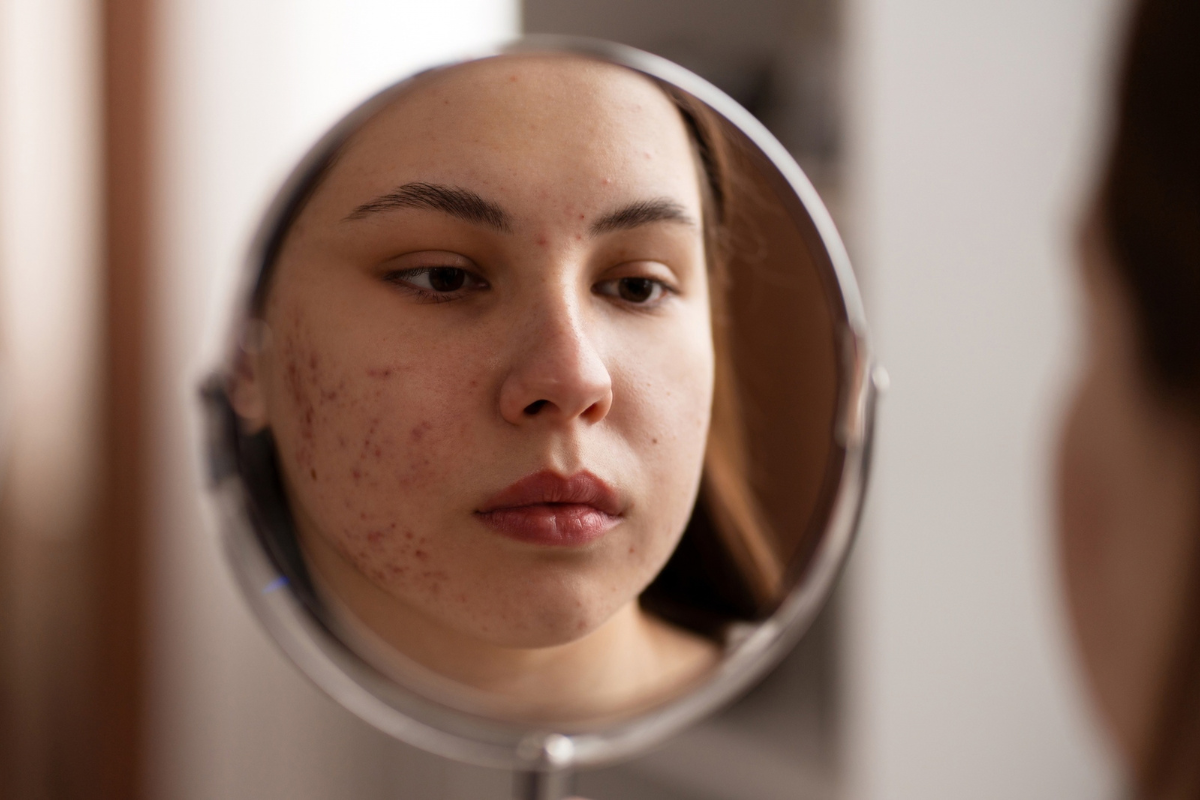
Acne is one of the most common skin concerns affecting people of all ages. Although it is often associated with teenagers, acne can continue well into adulthood and significantly impact confidence, self-esteem, and overall quality of life. Therefore, understanding What Are the Main Causes of Acne? is the first step toward achieving healthier, clearer skin.
Moreover, acne is not caused by a single factor. Instead, it develops due to a combination of internal and external triggers that affect the skin’s natural balance. As a result, identifying the root cause is essential for choosing the right treatment and preventing future breakouts.
At Iksana Wellness, our dermatology experts focus on diagnosing the underlying causes of acne rather than simply treating visible symptoms. Consequently, patients receive personalized care designed to promote long-term skin health and lasting results.
In this comprehensive guide, we will explore What Are the Main Causes of Acne?, discuss common acne triggers, and explain how professional dermatological care can help manage and prevent recurring breakouts.
Understanding Acne: What Happens Beneath the Skin?
Before discussing What Are the Main Causes of Acne?, it is important to understand how acne develops.
Acne occurs when hair follicles become clogged with oil (sebum), dead skin cells, and bacteria. Subsequently, these clogged pores can become inflamed and form different types of acne lesions.
These may include:
- Whiteheads
- Blackheads
- Papules
- Pustules
- Nodules
- Cystic acne
Furthermore, acne can appear on the face, chest, shoulders, back, and neck. Although the symptoms may vary, the underlying mechanisms are generally similar.
What Are the Main Causes of Acne?
Many people wonder, What Are the Main Causes of Acne? The answer involves multiple biological, hormonal, environmental, and lifestyle-related factors.
The following sections explain the most common acne triggers in detail
1. Excess Oil Production
One of the primary answers to What Are the Main Causes of Acne? is excessive sebum production.
Sebum is a natural oil produced by the sebaceous glands. While it helps keep the skin moisturized, excessive production can clog pores. Consequently, bacteria and dead skin cells become trapped, leading to inflammation and breakouts.
Moreover, individuals with oily skin are often more prone to acne because their pores can become congested more easily.
Signs of Excess Oil Production
- Persistent facial shine
- Enlarged pores
- Frequent blackheads
- Recurrent acne outbreaks
Therefore, controlling oil production is often a crucial part of acne treatment
2. Hormonal Changes and Imbalances
Hormones play a significant role when discussing What Are the Main Causes of Acne?
Hormonal fluctuations increase oil gland activity. As a result, the skin produces more sebum, creating an environment that promotes acne formation.
Common Hormonal Triggers
- Puberty
- Menstrual cycles
- Pregnancy
- Menopause
- Polycystic Ovary Syndrome (PCOS)
- Hormonal medications
Furthermore, adult women often experience acne along the jawline and chin due to hormonal changes.
Because hormonal acne typically requires targeted treatment, consulting a dermatologist can be highly beneficial.
3. Clogged Pores
Another important factor in understanding What Are the Main Causes of Acne? is pore blockage.
Dead skin cells naturally shed from the skin’s surface. However, when these cells do not shed properly, they mix with oil and accumulate inside pores.
Consequently, pores become blocked, leading to:
- Whiteheads
- Blackheads
- Inflamed pimples
Moreover, inadequate exfoliation can worsen this issue over time.
Therefore, maintaining proper skincare habits can help minimize pore congestion and reduce breakouts.
4. Acne-Causing Bacteria
The presence of bacteria is another answer to What Are the Main Causes of Acne?
A bacterium called Cutibacterium acnes naturally exists on the skin. However, when pores become blocked, these bacteria multiply rapidly.
As a result:
- Inflammation increases
- Redness develops
- Painful pimples form
Furthermore, bacterial growth often contributes to more severe forms of acne, including cystic lesions.
Therefore, dermatologists often recommend treatments that specifically target bacterial overgrowth while protecting the skin barrier.
5. Genetics and Family History
Genetics significantly influence acne susceptibility.
If one or both parents experienced acne, there is a higher likelihood that their children may also develop similar skin concerns. Consequently, hereditary factors can affect:
- Oil production levels
- Skin sensitivity
- Hormonal responses
- Inflammation tendencies
Although genetics cannot be changed, professional treatment can effectively manage genetically influenced acne.
Therefore, family history should always be considered when evaluating What Are the Main Causes of Acne?
6. Stress and Emotional Factors
Stress may not directly cause acne. However, it can significantly worsen existing breakouts.
When stress levels increase, the body produces more cortisol and other hormones. Consequently, oil production may rise, leading to increased acne activity.
Moreover, stress often contributes to unhealthy habits such as:
- Poor sleep
- Irregular eating patterns
- Touching the face frequently
As a result, acne symptoms can become more severe.
Therefore, stress management can play an important role in maintaining healthier skin.
7. Diet and Food Choices
Many patients ask whether diet contributes to What Are the Main Causes of Acne?
Although research continues to evolve, certain dietary factors appear to influence acne severity.
Foods That May Trigger Acne in Some Individuals
- High-glycemic foods
- Sugary beverages
- Processed snacks
- Excess dairy products
- Refined carbohydrates
Conversely, nutrient-rich foods may support healthier skin.
Skin-Friendly Foods
- Fresh fruits
- Vegetables
- Whole grains
- Lean proteins
- Omega-3-rich foods
Therefore, adopting a balanced diet may help reduce inflammation and improve skin health.
8. Incorrect Skincare Products
Using unsuitable skincare products can contribute to acne development.
Many cosmetic products contain ingredients that clog pores. Consequently, frequent use can trigger breakouts, especially in acne-prone individuals.
Common Product-Related Triggers
- Heavy creams
- Oil-based cosmetics
- Comedogenic sunscreens
- Thick foundations
Therefore, selecting non-comedogenic and dermatologist-recommended products is essential.
Moreover, personalized skincare guidance can help avoid unnecessary irritation and acne flare-ups.
9. Environmental Pollution
Environmental pollution is becoming an increasingly recognized acne trigger.
Dust, dirt, and airborne pollutants settle on the skin throughout the day. Consequently, pores become clogged more easily.
Furthermore, pollution can weaken the skin barrier and increase oxidative stress.
As a result:
- Inflammation increases
- Acne worsens
- Skin healing slows
Therefore, proper cleansing and skin protection are crucial for individuals living in urban environments.
10. Certain Medications
Some medications may contribute to acne formation.
Examples include:
- Corticosteroids
- Certain antidepressants
- Hormonal medications
- Lithium-containing drugs
Although these medications may be necessary for medical reasons, they can sometimes influence skin health.
Therefore, if acne develops after starting a new medication, consulting both a dermatologist and prescribing physician is advisable.
| Acne Trigger | How It Contributes to Acne |
|---|---|
| Excess oil production | Blocks pores and traps debris |
| Hormonal changes | Stimulates increased sebum production |
| Dead skin buildup | Leads to clogged follicles |
| Bacterial growth | Causes inflammation and infection |
| Genetics | Increases susceptibility |
| Stress | Elevates hormone activity |
| Poor diet | May worsen inflammation |
| Incorrect skincare | Blocks pores and irritates skin |
| Pollution | Contributes to congestion |
| Certain medications | May trigger breakouts |

Different Types of Acne
Understanding acne types can help identify the severity of the condition.
Non-Inflammatory Acne
- Whiteheads
- Blackheads
Inflammatory Acne
- Papules
- Pustules
Severe Acne
- Nodules
- Cystic acne
Furthermore, severe acne often requires professional dermatological intervention because it carries a higher risk of permanent scarring.
When Should You See a Dermatologist?
Many individuals attempt self-treatment for months or even years. However, professional guidance can often produce faster and safer results.
You should consider consulting a dermatologist if:
- Acne is persistent
- Breakouts are painful
- Scarring develops
- Over-the-counter products are ineffective
- Acne affects confidence and emotional well-being
Therefore, early intervention can help prevent long-term skin damage.
How Dermatologists Treat Acne
At Iksana Wellness, acne treatment begins with understanding What Are the Main Causes of Acne? for each individual patient.
Depending on the underlying cause, treatment may include:
Topical Treatments
- Retinoids
- Benzoyl peroxide
- Antibiotic creams
Oral Medications
- Antibiotics
- Hormonal therapies
- Isotretinoin (when appropriate)
Advanced Dermatological Procedures
- Chemical peels
- Acne scar treatments
- Laser therapies
- Medical facials
Moreover, personalized treatment plans ensure that each patient’s unique skin concerns are addressed effectively.
Tips to Prevent Acne Naturally
Although acne cannot always be completely prevented, several healthy habits can reduce the likelihood of breakouts.
Daily Prevention Strategies
- Cleanse the skin gently twice daily.
- Use non-comedogenic skincare products.
- Avoid touching the face frequently.
- Remove makeup before sleeping.
- Stay hydrated throughout the day.
- Manage stress effectively.
- Maintain a balanced diet.
- Follow a consistent skincare routine.
Furthermore, regular dermatological consultations can help identify issues before they become severe.
Final Thoughts
If you’ve ever asked yourself, What Are the Main Causes of Acne?, the answer lies in understanding that acne is a multifactorial condition influenced by hormones, oil production, bacteria, genetics, lifestyle habits, environmental factors, and skincare choices.
Moreover, because every individual’s skin is unique, acne treatment should never follow a one-size-fits-all approach. Instead, identifying the specific triggers affecting your skin is essential for achieving lasting results.
At Iksana Wellness, our experienced dermatology team focuses on comprehensive acne assessment, advanced treatments, and personalized skincare solutions. Therefore, whether you’re dealing with occasional breakouts or chronic acne, expert guidance can help you achieve healthier, clearer, and more confident skin.
FAQs - What Are the Main Causes of Acne?
The main causes of acne include excess oil production, hormonal fluctuations, clogged pores, bacterial growth, genetics, stress, certain dietary habits, and unsuitable skincare products.
Although stress does not directly cause acne, it can increase hormone levels that stimulate oil production. As a result, existing acne may worsen.
Yes. Certain foods, particularly high-glycemic and highly processed foods, may contribute to acne in some individuals. However, responses vary from person to person.
Absolutely. Adult acne is common, especially among women experiencing hormonal fluctuations related to menstruation, pregnancy, or menopause.
Maintaining a healthy skincare routine, eating a balanced diet, staying hydrated, managing stress, and using non-comedogenic products may help reduce acne.
You should consult a dermatologist if acne is persistent, painful, causing scarring, or not responding to over-the-counter treatments.
Yes. Dermatologists offer several effective treatments for acne scars, including chemical peels, microneedling, laser treatments, and advanced resurfacing procedures.

